5 Wording Fixes to Save Specific Gifts in Australian Wills
General information, not legal advice.
On this page
- What counts as a specific gift in a will
- Ademption: the rule, common triggers and how courts decide
- Exceptions and state differences that can save a gift
- Where sale proceeds go when a gift adeems
- How to avoid ademption through better drafting and review
- When to get legal advice on a specific gift
- How WillBuddy helps you keep specific gifts current
- FAQ
- Sources
- Recommended

Quick answer
A specific gift in a will usually fails if the asset no longer exists at death, a rule called ademption. When that happens, the named beneficiary typically gets nothing from that gift, and any sale proceeds usually fall into the residuary estate instead. A small number of statutory and court-made exceptions can preserve the gift, but these differ by state, so it pays to check the law that applies where you live.
In short
- A specific gift can fail after a sale, replacement, account closure, subdivision, or title change; courts examine whether the asset remains substantially the same.
- Exceptions are narrow and differ by state: some statutes protect a gift when an attorney sells the asset, and the general law protects a gift that changed only in name or form or was wrongfully disposed of by someone else.
- Without an exception, sale proceeds usually pass into the residuary estate; executors should document each sale and seek court directions when allocation is unclear.
- Add a fallback cash amount or wording that directs sale proceeds to the beneficiary, and review the will after asset changes or every five years.
- Get legal advice for blended families, business or trust interests, overseas assets, or land subdivisions, where ownership structures and competing claims can complicate distribution.
What counts as a specific gift in a will
A specific gift is a described item you own and name in your will: a house at a particular address, a piece of jewellery, a listed car, a specific bank account number. Because the gift points to one identifiable thing, it disappears if that thing disappears, which is exactly what makes it vulnerable to ademption.
This is different from other gift types in a will:
- A pecuniary gift is a fixed sum of money and survives even if your bank balance changes.
- A demonstrative gift is a sum of money to be paid from a particular source, combining features of both and usually surviving if that source runs dry.
- A residuary gift covers whatever is left after specific and pecuniary gifts are paid out.
Courts start with the words of the will itself, and evidence of what you privately meant is allowed only in limited cases. If your will says "my house at 12 Smith Street" and you sell that house and buy another, the gift usually fails unless you update the wording. Generic phrasing, such as "my home at the time of my death", tends to survive a change of address far more reliably.
Ademption: the rule, common triggers and how courts decide
The legal test is whether the specific item still exists in substantially the same form when you die. If it does not, the gift adeems, meaning it fails entirely, regardless of how clearly you once intended the beneficiary to have it.
Common situations that trigger ademption include:
- You sell the specific asset during your lifetime.
- You give the item away before death.
- The item is destroyed, lost or written off.
- A named bank account is closed and the funds moved elsewhere.
- Land described in the gift is subdivided, amalgamated or has its title changed.
Court decisions focus on wording and substance rather than sympathy for the disappointed beneficiary. Where land has been subdivided, with some lots sold and others kept, a court works through whether the remaining land and any sale proceeds still match what was originally gifted, rather than asking what might feel fair to the family.
If a specifically gifted item no longer exists at death, the gift normally fails and does not convert into a cash equivalent. That single principle explains most disputes over specific gifts.
Exceptions and state differences that can save a gift
A handful of narrow exceptions can preserve a specific gift even after the original asset is gone, and they vary significantly between states and territories.
- Section 22 of the Powers of Attorney Act 2003 (NSW) can give a named beneficiary an interest in surplus money or property arising from certain dealings carried out by an attorney, in limited circumstances.
- Tasmania (section 32AH of the Powers of Attorney Act 2000 (Tas)) and Victoria have related provisions covering surplus property from attorney dealings, but the wording and scope differ from the NSW section.
- Under the general law, a gift is usually not lost where the asset changed only in name or form, or where someone else disposed of it wrongfully, for example by fraud, without the will-maker knowing.
Because the same fact pattern, such as an attorney selling a specifically gifted property, can preserve a gift in one state and not another, checking your own state's Act matters more than relying on general rules of thumb. Our article on enduring power of attorney explains how attorney dealings interact with estate administration more broadly.
Pro Tip: Search your state or territory legislation register directly for "Powers of Attorney Act" to find the current version of the surplus money provisions that apply to you.
Where sale proceeds go when a gift adeems
When no exception applies, sale proceeds from a specifically gifted asset usually become part of the residuary estate and get distributed under the will's residuary clause, not handed to the person who was meant to receive the original item.
- Outside the statutory exceptions, the beneficiary may receive the asset in its new form only in narrow cases, such as a change in name or form only, or a wrongful disposal.
- In NSW Trustee & Guardian v Bensley [2012] NSWSC 655, the NSW Supreme Court held that the proceeds of a specifically gifted property sold during the will-maker's lifetime were to be dealt with as residue.
- Executors should identify sale proceeds clearly, keep records of when and why assets were sold, and seek court directions if it is genuinely unclear how proceeds should be allocated.
This is one reason a will drafted years before death can produce outcomes nobody expected, particularly when a house or car named specifically has long since been replaced.
How to avoid ademption through better drafting and review
The most reliable protection against ademption is drafting that anticipates change, paired with regular review.
- Add a fallback pecuniary amount so the beneficiary receives a fixed sum if the named item is gone.
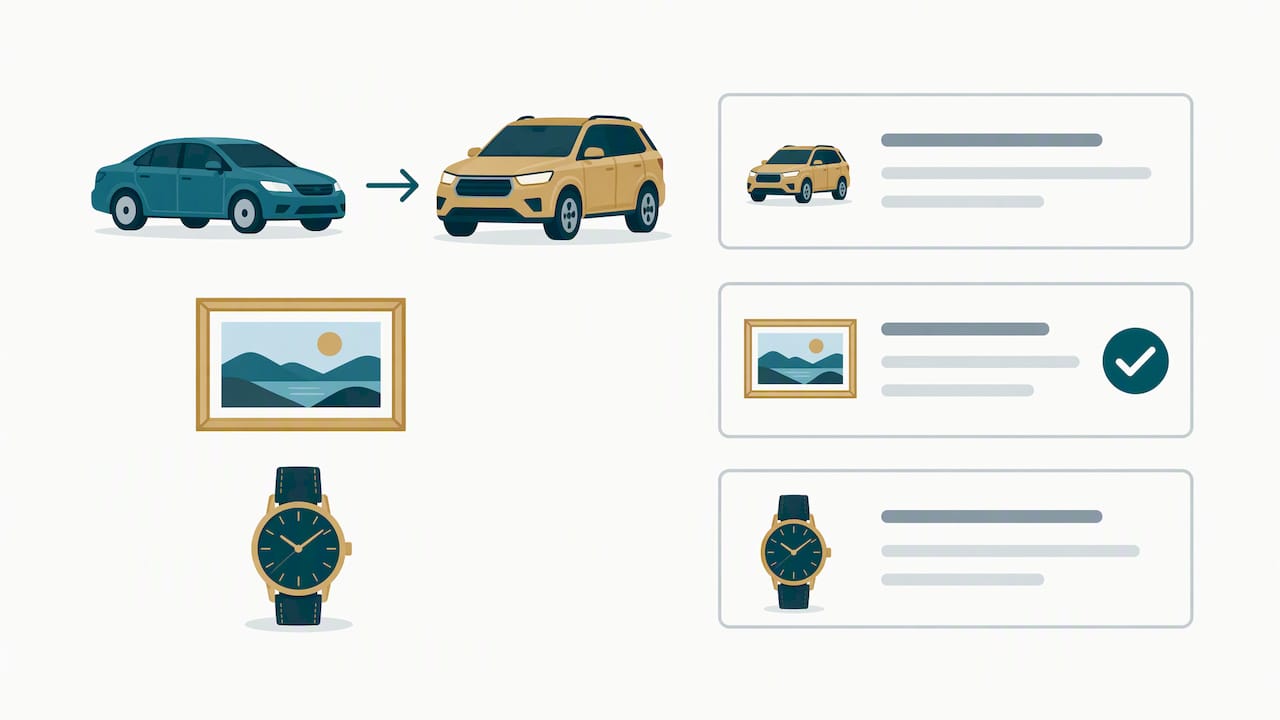
- Describe the gift by category where appropriate, such as "the car I own at my death", rather than one specific item.
- State expressly that sale proceeds of a named asset should pass to the intended beneficiary, not the residuary estate.
- Review the will whenever you sell, buy or transfer a significant asset.
- Review the will after appointing an enduring attorney, moving into aged care, or experiencing a birth, death or relationship change.
Exact wording needs to suit your own assets and state, so complex cases are worth a lawyer's check rather than guesswork. Public Trustee guidance in South Australia suggests reviewing your will every five years, and after changes such as marriage or divorce, new children or grandchildren, a beneficiary's death, or changes in your assets.
Pro Tip: Keep a simple list of every specific gift in your will alongside the asset's current status, and check it off whenever something is sold, replaced or retitled.
When to get legal advice on a specific gift
Some situations carry enough complexity that a lawyer's input is worth the cost, rather than relying on general guidance alone.
- Blended families, where competing claims on specific assets are more likely.
- A business or trust interest, where ownership structures complicate what counts as "the asset".
- Overseas assets, subject to another country's succession rules.
- Land subdivisions, title changes or likely contests from disappointed beneficiaries.
A solicitor, your state's Public Trustee or a court direction can resolve genuinely unclear allocations. Before that conversation, gather titles, sale records and any documents showing when and why an asset changed hands.
How WillBuddy helps you keep specific gifts current
We provide a service that guides you through drafting a will tailored to your state or territory by asking plain questions one at a time, including what you want to leave and to whom. You can read every word of your draft free before you pay, then come back and make changes as your circumstances change.

- Our service supports updates so changes to assets like cars or accounts can be reflected in your will.
- Your will is stored securely, encrypted in Australia, while your plan is active, so you can revisit and adjust it as life changes.
- Complex estates, such as those involving a business, a trust or assets overseas, are still best reviewed with a lawyer alongside our drafting tool.
Check plans and pricing or start drafting your will today, and read the whole thing before you decide to pay.
This article is general information, not a substitute for advice from a qualified lawyer. Consult a qualified legal professional about your own circumstances before acting on anything here.
FAQ
What is a residuary bequest?
A residuary bequest is whatever remains of your estate after specific gifts, pecuniary gifts and debts have been paid out. It is distributed under the residuary clause of your will, and it is also where proceeds from an adeemed specific gift usually end up.
What are the four types of gifts in a will?
The main categories are specific gifts (a named item), pecuniary gifts (a fixed sum of money), demonstrative gifts (money from a stated source) and residuary gifts (what is left over). Each behaves differently if the named asset or source changes before death.
How do beneficiaries receive their money or gifts?
An executor identifies the assets and gifts named in the will, pays any debts and expenses, then distributes specific gifts, pecuniary gifts and finally the residue according to the will's terms. If a specific gift has adeemed, the beneficiary generally receives nothing from that clause.
Can you leave everything to one person in a will?
You can generally leave your entire estate to one person, subject to your state's rules on formal execution and any dependants who may have a legal claim for further provision. Our guide to will requirements covers the formal rules that apply regardless of how you distribute your estate.
Sources
Show the 4 sources
Recommended
For the one who gets things sorted
Now write yours, with your family's names in it
Plain questions about your family, one at a time, and WillBuddy drafts a will for your state. Until you sign one, the law in your state or territory decides who gets what. Read every word free, with no card. You pay only if you want to print it.
Start my will freeLast updated 7 October 2026.
This article is general information only and is not legal advice. It is our best interpretation of the law as at 7 October 2026. WillBuddy is not a law firm, and it never replaces advice from a lawyer or solicitor. Laws change and differ between states and territories, so for your own circumstances, please get legal advice.